









Introduction
In recent years, the food and beverage industry has witnessed a transformative shift, driven not only by globalization and cultural exchange but also by rapid technological innovation. Among these developments, predictive analytics for flavor compatibility and consumer acceptance has emerged as a cutting-edge field at the intersection of food science, data analytics, and artificial intelligence (AI). While chefs have traditionally relied on intuition and experience to combine flavors, modern computational tools enable a more systematic, data-driven approach.
Predicting which flavors work well together and which will be embraced by consumers has far-reaching implications for product development, menu design, and marketing strategies. This article explores the theoretical foundations, methodologies, applications, and future directions of predicting flavor compatibility and consumer acceptance, providing a comprehensive overview for professionals and enthusiasts in culinary science, gastronomy, and food technology.
The Science of Flavor Compatibility
Understanding Flavor Molecules
At the core of flavor compatibility is the chemistry of taste and aroma. Flavors are composed of thousands of volatile and non-volatile compounds, including esters, aldehydes, ketones, phenols, and terpenes, each contributing distinct sensory experiences. The perception of flavor is not merely a combination of taste (sweet, sour, salty, bitter, umami) and aroma; it also involves mouthfeel, texture, temperature, and even visual presentation.
Flavor pairing theory suggests that ingredients sharing similar volatile compounds are more likely to harmonize in a dish. This principle forms the basis for computational flavor prediction. For instance, white chocolate and caviar may seem unlikely, yet both contain overlapping aroma compounds such as trimethylamine derivatives, enabling a surprisingly compatible pairing.
Cognitive and Cultural Factors in Flavor Perception
Flavor perception extends beyond molecular chemistry. Psychological and cultural factors significantly influence how individuals experience taste. For example, consumers in different regions exhibit distinct preferences for spice levels, sweetness, or acidity. Cross-cultural studies have shown that flavor compatibility is not universal; rather, it is shaped by dietary habits, culinary traditions, and personal experiences.
These insights highlight the importance of integrating human-centered data, such as sensory panels and consumer surveys, with computational predictions. Predicting flavor compatibility, therefore, involves not just chemical similarity but also understanding the cognitive frameworks that govern taste perception.
Computational Approaches to Flavor Prediction
Flavor Network Analysis
One of the pioneering methods in flavor prediction is flavor network analysis, which maps ingredients based on shared flavor compounds. Using graph theory, nodes represent ingredients, and edges indicate common molecular components. This network visualization allows researchers to identify clusters of ingredients with high compatibility potential.
For example, studies have revealed that Western cuisines often rely on shared compound pairings, while East Asian cuisines favor contrasting compounds to create dynamic flavor experiences. By analyzing these networks, chefs and food scientists can generate innovative pairings that respect both tradition and novelty.
Machine Learning and AI Models
The integration of machine learning (ML) and AI has accelerated flavor prediction. Large datasets of recipes, ingredient profiles, and consumer feedback are processed to identify patterns and correlations. Key approaches include:
- Supervised Learning: Models trained on labeled datasets (e.g., “popular” vs. “unpopular” flavor combinations) can predict which new combinations are likely to succeed.
- Unsupervised Learning: Clustering techniques group ingredients based on chemical or sensory similarity, uncovering novel pairings that humans might overlook.
- Deep Learning: Neural networks analyze complex, high-dimensional datasets, incorporating chemical structures, recipe metadata, and consumer reviews to generate predictive flavor scores.
AI models can also simulate sensory experiences by estimating how aroma and taste compounds interact, providing chefs with actionable insights for experimental dishes.
Consumer Acceptance Modeling
Understanding Consumer Preferences
Predicting flavor compatibility is only valuable if it aligns with consumer acceptance. Consumer preference is influenced by factors such as:
- Demographics: Age, gender, and cultural background influence taste sensitivity and food habits.
- Psychographics: Personality traits, lifestyle, and dietary values (e.g., health-consciousness, sustainability) shape flavor choices.
- Contextual Factors: Meal occasion, presentation, and social environment can affect how a dish is perceived.
Predictive Analytics for Acceptance
Modern tools use conjoint analysis, choice modeling, and preference mapping to quantify consumer responses to different flavor combinations. By integrating these models with AI flavor prediction, it is possible to design products that are not only chemically compatible but also appealing to target audiences.
For instance, a snack manufacturer could test multiple flavor combinations in silico before producing physical samples, saving costs and accelerating product launch cycles. Similarly, restaurant chains can customize menu offerings by region, predicting which flavor profiles resonate with local consumers.
Applications in Food Innovation
Product Development
Flavor prediction and consumer acceptance modeling are transforming the food innovation pipeline. Companies can use these tools to:
- Generate Novel Flavors: AI algorithms can suggest unconventional pairings that meet chemical compatibility criteria while appealing to consumer tastes.
- Optimize Existing Products: Machine learning models can refine existing recipes to enhance palatability and market appeal.
- Personalize Experiences: Personalized flavor recommendations can be integrated into meal kits, subscription services, and smart kitchen devices.
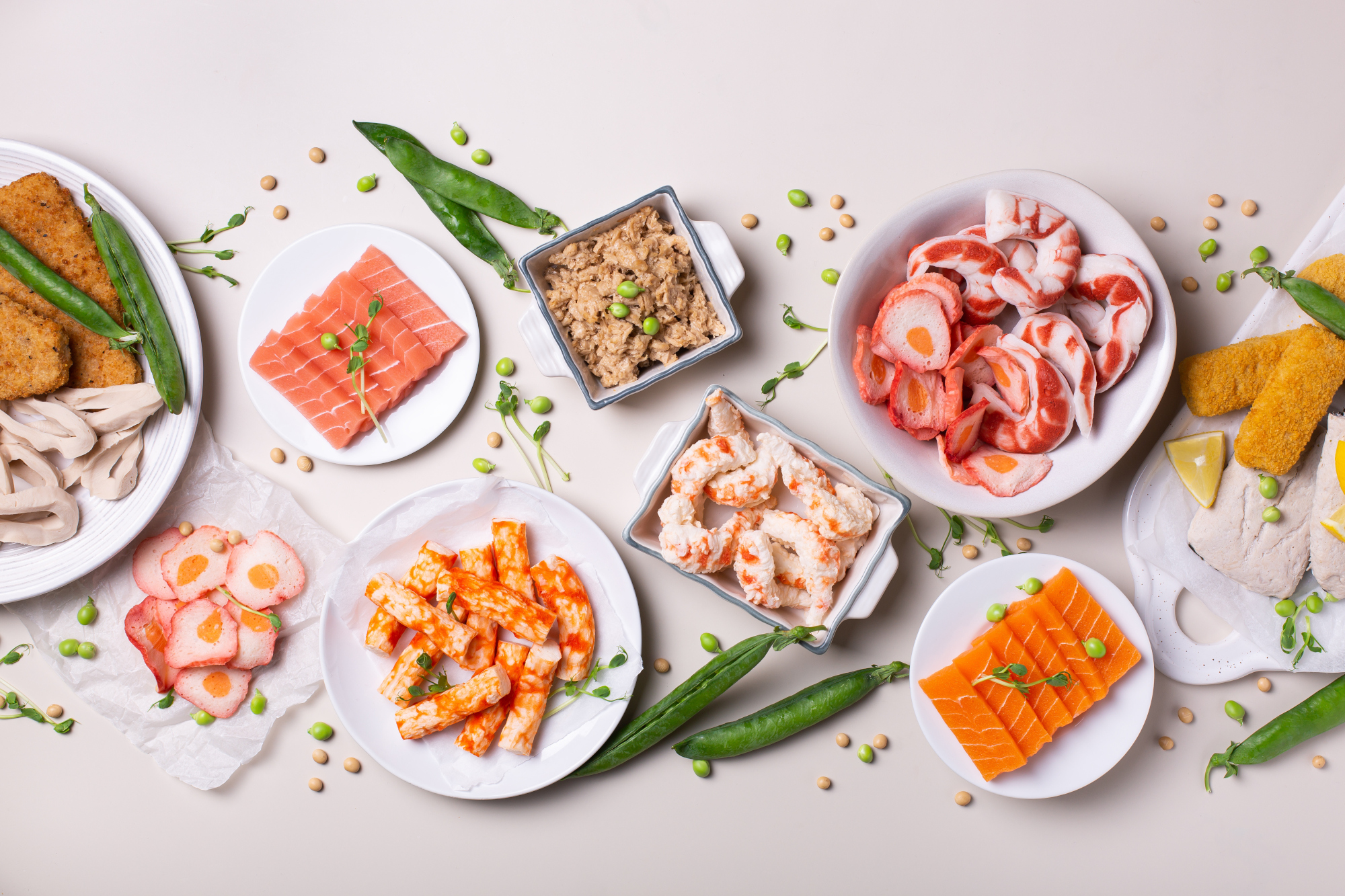
For example, plant-based meat developers leverage flavor prediction to mimic traditional meat aromas, improving consumer acceptance of alternative proteins.
Menu Design and Restaurant Operations
Restaurants increasingly adopt AI-driven tools for menu engineering:
- Predicting which dishes will be popular based on flavor profiles and historical sales data.
- Identifying potential flavor fatigue among customers and rotating menu items to maintain engagement.
- Designing tasting menus with balanced contrasts in flavor, texture, and aroma.
This data-driven approach allows culinary teams to experiment creatively while reducing the risk of failed dishes.
Challenges and Limitations
Complexity of Flavor Perception
Despite technological advancements, flavor prediction remains inherently complex. Human taste perception involves dynamic interactions between sensory inputs, memory, and emotion. Current models often simplify this complexity, which can lead to discrepancies between predicted and actual consumer responses.
Data Quality and Diversity
High-quality, diverse datasets are crucial for accurate predictions. Many flavor databases are biased toward Western ingredients and recipes, limiting model generalizability. Incorporating cross-cultural datasets is essential to predict flavor compatibility in global markets.
Ethical and Cultural Considerations
Predicting consumer acceptance must respect cultural authenticity and avoid homogenizing culinary diversity. While AI can suggest novel combinations, chefs and food companies must balance innovation with cultural sensitivity and ethical sourcing.
Future Directions
Integration with FoodTech Innovations
The convergence of flavor prediction with emerging FoodTech developments—such as lab-grown meat, precision fermentation, and smart agriculture—opens new possibilities. For example, AI can design flavor profiles optimized for plant-based proteins, enhancing palatability and consumer adoption.
Real-Time Consumer Feedback
Advances in wearable sensors and mobile apps enable real-time monitoring of taste responses. Integrating these insights with flavor prediction models allows dynamic adaptation of recipes and personalized dining experiences.
Sustainable and Ethical Flavor Design
Predictive tools can also support sustainability goals by identifying alternative ingredients that deliver similar sensory experiences while reducing environmental impact. For instance, AI can suggest plant-based substitutes for high-carbon-footprint ingredients without compromising flavor.
Case Studies
1. AI-Generated Snack Flavors
A leading snack manufacturer used machine learning to analyze thousands of successful snack flavors. The AI suggested a combination of smoked paprika, dark chocolate, and seaweed—a pairing previously untested. Pilot consumer testing showed high acceptance, leading to a limited-edition product launch that exceeded sales expectations.
2. Restaurant Menu Optimization
A high-end restaurant chain employed predictive analytics to redesign its seasonal menu. By modeling flavor compatibility and consumer acceptance, the chefs created dishes that balanced familiar tastes with innovative combinations, resulting in a 20% increase in repeat customer visits.
3. Plant-Based Meat Enhancement
A plant-based meat producer applied flavor prediction algorithms to develop a burger that mimicked the aroma and umami of beef. Sensory panels confirmed that the AI-assisted formulation significantly improved consumer satisfaction compared to traditional formulations.
Conclusion
Predicting flavor compatibility and consumer acceptance represents a paradigm shift in culinary science and food technology. By integrating chemical analysis, AI modeling, and consumer insights, chefs and food companies can systematically design dishes and products that are both innovative and widely appealing.
The future of flavor prediction lies in the convergence of technology, sensory science, and cultural understanding. As AI models become more sophisticated and datasets more diverse, the potential to create sustainable, personalized, and culturally resonant culinary experiences will expand exponentially.
For professionals in the food industry, embracing predictive flavor analytics is not merely an option—it is becoming a strategic imperative. By leveraging these tools, we can envision a future where culinary creativity is guided by both art and science, ensuring that every flavor combination delights the palate while meeting the evolving expectations of consumers worldwide.