









Introduction
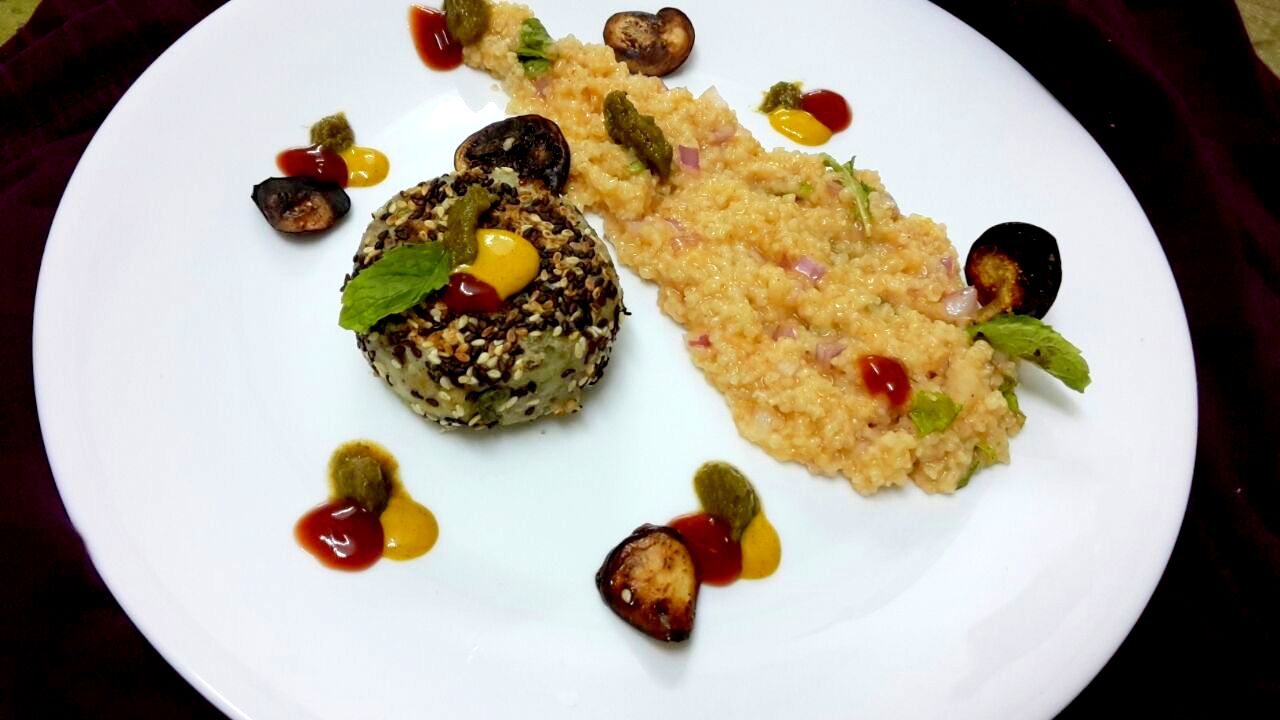
The concept of molecular gastronomy, the art and science of cooking that uses principles of chemistry and physics to transform ingredients, has revolutionized the way we think about food. One of the most groundbreaking techniques in this field is the deconstruction and reconstruction of flavor molecules. This method goes beyond traditional cooking techniques and focuses on the molecular level, breaking down the components of flavor to understand, manipulate, and recreate them in innovative ways. By isolating and recombining these molecules, chefs can create new flavor profiles, textures, and sensory experiences that were previously unimaginable.
In this article, we will explore the science behind flavor molecules, how they are deconstructed and reconstructed, the tools and techniques used in this process, and the potential applications in both professional kitchens and food innovation. Through this deep dive, we aim to understand the profound impact of molecular gastronomy on modern cuisine and its potential to shape the future of food.
Understanding Flavor Molecules
The Building Blocks of Flavor
At its core, flavor is a complex combination of taste, smell, and mouthfeel. The human ability to detect flavors stems from volatile compounds (which contribute to aroma) and non-volatile compounds (which contribute to taste). Understanding how these molecules interact is key to unlocking the potential of flavor deconstruction.
- Taste Molecules:
Taste, the sensation perceived by the tongue, is driven by five primary tastes: sweet, sour, salty, bitter, and umami. Each of these is triggered by specific molecules that interact with taste receptors on the tongue. For instance:- Sweet: Sugars like glucose and fructose.
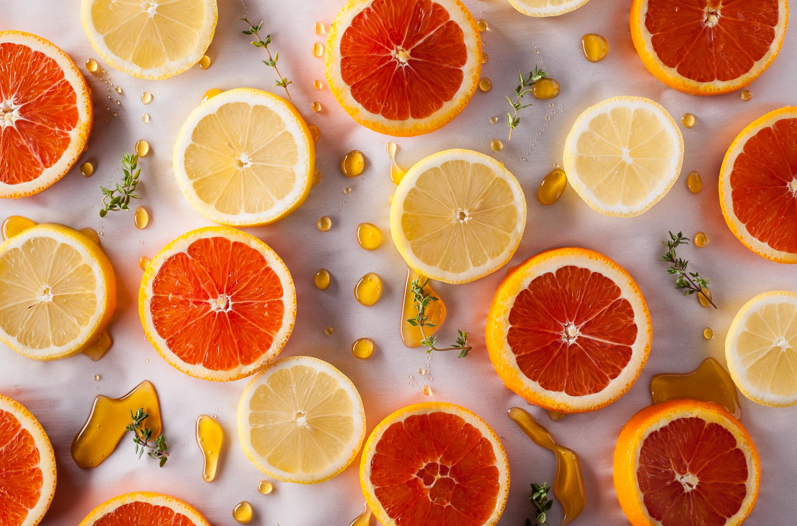
- Sour: Organic acids, such as citric acid found in lemons.
- Salty: Sodium chloride (table salt) and other salts.
- Bitter: Alkaloids, such as caffeine and quinine.
- Umami: Amino acids like glutamate and inosinate, typically found in proteins and fermented foods.
- Aroma Molecules:
Aroma molecules, which are perceived by the olfactory receptors in the nose, can be even more complex. These include:- Esters: Responsible for fruity and floral aromas (e.g., ethyl acetate in strawberries).
- Terpenes: Found in herbs and citrus, giving them their characteristic smells (e.g., limonene in lemons).
- Aldehydes and Ketones: Contributing to flavors like apple, vanilla, or almonds (e.g., vanillin in vanilla).
- Mouthfeel and Texture:
Although not technically a flavor, texture plays a crucial role in the overall flavor experience. Molecules like pectins, gels, and starches affect the consistency and mouthfeel of foods, adding richness or lightness to the dish. The interplay between the taste, aroma, and texture creates a holistic sensory experience.
The Chemistry of Flavor Interaction
When cooking, these individual molecules interact with each other in ways that are often unpredictable. These interactions can create new flavor experiences or amplify existing ones. The Maillard reaction and caramelization, for instance, are two chemical processes that produce complex flavors when proteins and sugars react under heat. Understanding these interactions is fundamental to the deconstruction and reconstruction of flavors.
The Concept of Deconstruction in Cuisine
Breaking Down the Elements of Flavor
Deconstruction in cuisine refers to the process of breaking down complex dishes into their individual components to understand how each part contributes to the overall flavor. This technique is at the heart of molecular gastronomy, where chefs dismantle traditional dishes and reassemble them in novel ways.
In traditional cooking, the ingredients are often combined intuitively based on their natural compatibility. However, by deconstructing the components of flavor at the molecular level, chefs can isolate the specific elements responsible for taste and aroma. These elements can then be manipulated to create new textures, intensify flavors, or even produce entirely new experiences.
For example, in a classic tomato soup, the components of the tomato (acidity, sweetness, and umami) can be separated. The acidity can be isolated as a tangy liquid, while the sweetness can be intensified by concentrating the sugars. This allows for a more controlled approach to creating flavor profiles, giving chefs greater flexibility and precision.
Techniques for Deconstructing Flavors
- Extraction:
One of the simplest forms of deconstruction is extraction, which involves isolating specific flavors from ingredients. This can be done through techniques such as sous-vide, infusion, and dehydration. For instance, extracting the essence of a herb like basil might involve using alcohol or oil to capture its volatile compounds. - Distillation:
This technique involves heating a liquid to create steam, which is then condensed to separate different components. Essential oils and flavor concentrates can be distilled from fruits, flowers, and spices, capturing the most intense aromatic compounds. A famous example is the distillation of rosewater from rose petals. - Fermentation:
Fermentation processes, such as those used in kimchi or sauerkraut, break down complex molecules like sugars into simpler compounds, which in turn develop unique flavors. By controlling the conditions of fermentation, chefs can deconstruct and control the flavor profiles of fermented ingredients.
Reconstructing Flavor Molecules
The Art of Rebuilding Flavors
Once individual flavor molecules are deconstructed, they can be reconstructed in new forms, textures, and combinations. This is where molecular gastronomy truly shines, as it allows chefs to blend science and artistry to create innovative dishes.
Reconstruction involves combining isolated flavor molecules in new ways to recreate or intensify flavors. For example, the reconstruction of a dish like a deconstructed cheesecake may involve isolating the tangy flavor of cream cheese, the sweet profile of sugar, and the texture of the crust into separate components. These elements are then recombined in creative ways, perhaps as a mousse, liquid gel, or foam.
Techniques for Reconstructing Flavors
- Emulsification:
Emulsification involves mixing two immiscible liquids (like oil and water) to create stable blends, such as mayonnaise or vinaigrettes. In molecular gastronomy, emulsions are used to combine different flavor molecules in innovative ways, producing foams, gels, and sauces that reintroduce complex flavors in novel textures. - Foaming:
Foams are created by trapping air in a liquid mixture, often through the use of lecithin or agar-agar. This technique allows for the creation of light, airy textures that still contain the concentrated flavors of the original ingredients. For instance, a foamy lemon meringue might taste exactly like lemon, yet have a completely different texture compared to a traditional filling. - Spherification:
Spherification is a technique where liquids are transformed into small spheres, often resembling caviar, by using sodium alginate and calcium chloride. This technique can be used to recreate flavors in an entirely new format, allowing liquids like fruit juices or sauces to burst in the mouth, releasing intense, concentrated flavors. - Gelification:
By using agar-agar or gelatin, chefs can transform liquids into solid or semi-solid gels. Gelification allows for the creation of new textures that can hold flavor compounds and create a different experience when consumed.
Applications in Modern Cuisine
Flavor Innovation in Restaurants
Molecular gastronomy techniques such as deconstructing and reconstructing flavor molecules are increasingly common in high-end restaurants and culinary labs. Chefs use these methods to create dishes that are not only visually stunning but also highly innovative in terms of flavor and texture. For example, a deconstructed Caesar salad might feature separate elements—croutons in powder form, anchovy essence as a gel, and lettuce in a foam form—recombined to provide the same flavor experience in a completely new format.
Consumer-Centric Flavor Design
In addition to fine dining, the techniques of deconstructing and reconstructing flavors are beginning to influence the broader food industry. Flavor companies, beverage makers, and snack producers are adopting molecular gastronomy tools to optimize products and enhance consumer experiences. Understanding how different molecules interact and how they can be recombined allows these companies to create products that are not only flavorful but also more appealing to consumers.
For instance, beverage companies can use the principles of flavor deconstruction and reconstruction to design drinks that emphasize specific flavor notes, such as a more intense citrus or berry profile. Similarly, snack manufacturers can explore ways to intensify specific tastes while adjusting textures, creating a more complex sensory experience.
Future Directions and Challenges
Technological Advancements
The future of flavor molecule deconstruction and reconstruction lies in advanced technologies such as AI-driven flavor analysis, 3D food printing, and biotechnology. These technologies will enable even more precise control over the flavor profile of a dish, allowing chefs to create dishes that are not only new and exciting but also highly personalized.
For example, AI algorithms could analyze thousands of flavor combinations and suggest new recipes based on consumer preferences and the molecular structure of ingredients. Additionally, biotechnology could potentially allow for the creation of flavor compounds in a lab setting, bypassing traditional food production methods entirely.
Sustainability and Ethical Considerations
As with all innovations in the food industry, the deconstruction and reconstruction of flavor molecules will need to address sustainability and ethics. The use of natural flavor compounds, along with methods that reduce waste and energy consumption, will become increasingly important as the world seeks more sustainable food solutions.
Conclusion
The deconstruction and reconstruction of flavor molecules represent a revolution in the culinary arts, transforming how chefs approach the creation of flavors, textures, and dining experiences. By understanding the science behind flavor and applying techniques from molecular gastronomy, chefs are able to manipulate ingredients at the molecular level, creating innovative dishes that push the boundaries of traditional cuisine.
As technology continues to advance and more data is integrated into the culinary process, the possibilities for flavor innovation are limitless. Molecular gastronomy is no longer confined to avant-garde restaurants; it is expanding into mainstream food production, offering new opportunities for both chefs and consumers to explore the endless potential of flavors in food.