










Introduction
Flavor is far more than a simple chemical sensation on the tongue. While the basic tastes—sweet, sour, salty, bitter, and umami—are detected by taste receptors, the perception of flavor is a complex phenomenon shaped by memory, emotion, and expectation. Understanding how these cognitive and psychological factors influence taste can provide profound insights for food science, sensory marketing, culinary innovation, and nutrition.
This article explores the mechanisms through which memory, emotional states, and anticipatory expectations modulate taste perception. By examining neuroscientific research, behavioral studies, and practical applications in gastronomy, we uncover how chefs, food technologists, and marketers can intentionally enhance the sensory and emotional impact of food.
1. The Interplay Between Memory and Taste
1.1 The Role of Memory in Flavor Perception
Memory plays a critical role in taste perception. The brain encodes past experiences with flavors, creating associations that influence both the hedonic evaluation of food (how much we like it) and preference patterns. These memories can be:
- Episodic: Linked to specific experiences, such as tasting a dessert at a childhood birthday party.
- Semantic: Linked to generalized knowledge, such as knowing that citrus fruits are sour.
- Procedural: Involving learned behaviors related to eating, such as pairing wine with cheese.
Studies show that re-exposure to a familiar flavor can evoke memories and emotional responses, enhancing the perceived quality and enjoyment of the food.
1.2 Neural Mechanisms of Memory-Taste Interaction
The hippocampus, responsible for memory formation, interacts with the insula (primary gustatory cortex) and the orbitofrontal cortex (OFC), which integrates taste and reward signals. This network enables the brain to:
- Recognize flavors based on previous experiences
- Compare current flavors to stored memory templates
- Generate emotional responses linked to memory
For example, the smell of freshly baked bread can trigger vivid childhood memories, influencing both the perceived flavor and emotional satisfaction of eating it.
1.3 Practical Applications in Culinary Design
Chefs and food designers can leverage memory by creating nostalgic or culturally familiar dishes, enhancing the perceived flavor. Examples include:
- Incorporating traditional ingredients or recipes that evoke collective cultural memory
- Using aromas associated with positive experiences to enhance taste perception
- Crafting dishes that recreate childhood flavors, creating strong emotional connections
2. Emotion as a Modulator of Taste
2.1 How Emotions Influence Flavor Perception
Emotions profoundly shape how we experience flavors. Positive moods tend to enhance sweetness perception, while negative moods may amplify bitterness or sourness. Emotional states can also affect hedonic evaluation, altering how much we enjoy a dish independently of its chemical composition.
Research in affective neuroscience shows that the amygdala, which processes emotions, is closely connected to the gustatory cortex. This connection allows emotional states to modulate:
- Intensity perception: Stronger emotions can exaggerate perceived sweetness or bitterness
- Flavor discrimination: Emotional arousal may sharpen or dull taste sensitivity
- Food choice behavior: Emotional context influences decision-making about which flavors are desirable
2.2 The Impact of Contextual Emotion
The dining environment, social context, and presentation of food can create emotional priming, influencing taste perception. For instance:
- Ambiance: Lighting, music, and decor can evoke specific emotions that alter flavor experience
- Social dynamics: Eating with friends can enhance pleasure through positive emotional contagion
- Storytelling: Narratives associated with a dish can evoke emotions, enhancing perceived flavor
2.3 Applications in Gastronomy and Marketing
Food brands and restaurants use emotional influence to enhance taste experiences:
- Atmospheric design: Crafting environments that evoke positive emotions, such as calm, joy, or excitement
- Story-driven menus: Using narratives to create an emotional connection with dishes
- Sensory branding: Leveraging packaging, colors, and sounds that elicit emotional responses, thereby enhancing flavor perception
3. Expectation and Its Effects on Taste
3.1 The Science of Expectation
Expectations play a pivotal role in taste perception. When we anticipate a flavor, our brain adjusts sensory processing, affecting how we experience the food. Studies demonstrate that:
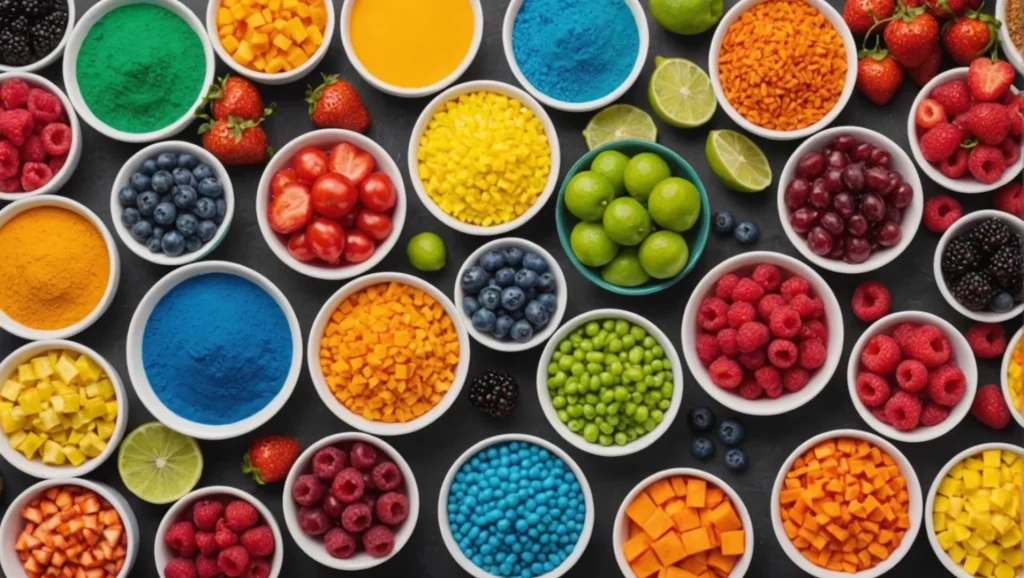
- Visual cues: Plate color and presentation influence perceived sweetness or bitterness
- Labeling: Premium or descriptive labels enhance flavor ratings, even when the food is identical
- Prior knowledge: Familiarity with a dish or ingredient sets an expectation that can bias sensory evaluation
3.2 Neural Mechanisms of Expectation
The orbitofrontal cortex (OFC) is central to expectation-based modulation of flavor. It integrates:
- Anticipatory cues from sight, smell, or verbal information
- Gustatory signals from taste receptors
- Reward signals from dopamine pathways
This integration allows expectation to enhance or suppress perceived intensity and modulate pleasure. For instance, if a dessert is labeled as “luxurious chocolate mousse,” the expectation can increase perceived richness and sweetness, even without any difference in ingredients.
3.3 Cognitive Bias and Flavor Perception
Expectation-driven biases can be intentionally leveraged in culinary practice:
- Color and plating: Red or golden hues may enhance perceptions of sweetness
- Descriptive language: Elaborate names or ingredient descriptions can raise anticipation and satisfaction
- Sequential presentation: Ordering dishes to build anticipation can enhance overall flavor perception
4. Integration of Memory, Emotion, and Expectation
4.1 Multisensory and Cognitive Convergence
Memory, emotion, and expectation interact to shape flavor perception. The brain does not process taste in isolation; rather, it integrates:
- Sensory signals from taste, smell, texture
- Cognitive templates from memory and learned associations
- Emotional valence from mood and context
- Anticipatory cues from expectation
The insular cortex, OFC, amygdala, and hippocampus form a network where these inputs converge, producing a holistic flavor experience that is personalized, contextual, and emotionally rich.
4.2 Examples of Integrated Influence
- Childhood recipes: Evoke memory (nostalgia), emotion (comfort), and expectation (anticipated flavor)
- Restaurant experiences: Curated ambiance and narrative enhance emotion and expectation, reinforcing taste satisfaction
- Food marketing: Descriptive labels and packaging evoke memory and expectation, shaping perceived flavor and desirability
5. Research Methods and Evidence
5.1 Behavioral Experiments
- Taste rating studies: Assess the impact of memory or emotion on perceived intensity and liking
- Expectation manipulation: Visual cues, labels, or context are altered to study expectation effects
- Memory recall experiments: Examine how past flavor experiences influence current taste perception
5.2 Neuroimaging Techniques
- fMRI: Identifies brain regions activated during memory-, emotion-, and expectation-influenced tasting
- EEG: Measures real-time cortical responses to flavor and cognitive cues
- PET scans: Map reward pathways activated by expected or emotionally enhanced flavors
5.3 Psychophysiological Measures
- Heart rate variability and galvanic skin response: Evaluate emotional arousal during tasting
- Eye tracking: Tracks attention and anticipatory cues affecting expectation
- Facial coding: Measures emotional reactions to flavors, linking affect to sensory perception
6. Applications in Culinary and Food Industries
6.1 Menu Design and Presentation
Chefs can use insights from memory, emotion, and expectation to craft memorable dining experiences:
- Nostalgic dishes: Incorporating flavors linked to positive memories
- Interactive elements: Engaging diners to create anticipation and emotional engagement
- Storytelling menus: Guiding diners through a narrative that enhances sensory perception
6.2 Product Development and Marketing
Food brands leverage cognitive and emotional influence to enhance product appeal:
- Descriptive packaging: Evokes expectation and improves perceived taste
- Limited-edition products: Create novelty, anticipation, and excitement
- Cross-modal cues: Using color, sound, and texture to reinforce flavor perception
6.3 Nutritional Interventions
Understanding the psychological modulation of taste allows for healthier eating strategies:
- Enhancing palatability of nutritious foods: Using expectation and positive associations to make vegetables or low-sugar products more enjoyable
- Behavioral nudges: Leveraging emotional engagement to promote mindful eating and better portion control
7. Future Directions in Taste Modulation
7.1 Personalized Flavor Experiences
Combining genetic taste sensitivity, personal memories, and emotional profiles may allow for customized dining experiences tailored to individuals’ cognitive and emotional responses.
7.2 Multisensory and Immersive Dining
Emerging immersive dining concepts integrate memory, emotion, and expectation into multi-sensory environments using:
- AR and VR technologies to manipulate perception
- Dynamic lighting and soundscapes to modulate emotional state
- Interactive narrative-driven dining experiences
7.3 Cognitive and Therapeutic Applications
- Memory-based interventions: Using flavor to trigger positive memories in elderly populations
- Emotional therapy: Leveraging pleasant taste experiences to enhance mood
- Behavioral modification: Using expectation cues to encourage healthy eating patterns
Conclusion
Flavor perception is not a purely sensory phenomenon; it is profoundly shaped by memory, emotion, and expectation. The interplay between these cognitive factors and sensory input determines how we perceive taste, how much we enjoy food, and the choices we make.
By understanding the neural mechanisms and psychological principles underlying flavor perception, chefs, food technologists, marketers, and nutritionists can intentionally enhance dining experiences, influence consumer behavior, and improve dietary habits.
The integration of memory, emotion, and expectation transforms eating from a functional act into a rich, personalized, and emotionally resonant experience, demonstrating the remarkable complexity of human flavor perception.