










In the contemporary culinary world, fusion cuisine has emerged as one of the most innovative and culturally significant trends. This approach transcends geographical boundaries, combining ingredients, techniques, and flavors from different culinary traditions to create dishes that are both novel and harmonious. Far beyond being a fleeting trend, fusion cuisine reflects globalization, cultural exchange, and a growing appreciation for culinary diversity. For chefs, it represents an opportunity to explore creativity while paying homage to the traditions that inspire them. For diners, it offers experiences that are multisensory, culturally enlightening, and nutritionally balanced.
1. Understanding Fusion Cuisine
1.1 Definition and Scope
Fusion cuisine is more than merely mixing ingredients from different cultures. At its core, it involves thoughtful integration of culinary philosophies, cooking techniques, and ingredient combinations. Successful fusion cuisine maintains a balance between innovation and respect for the origins of each ingredient or technique.
The scope of fusion cuisine can be categorized into:
- Cultural Fusion: Combining cooking styles from different countries, such as Japanese techniques with French flavors.
- Ingredient Fusion: Using unconventional pairings from disparate cuisines, like pairing Mediterranean olives with South American grains.
- Technique Fusion: Adapting preparation methods from one culinary tradition to ingredients from another, such as slow-smoking Asian seafood using European smoking techniques.
1.2 Historical Roots
While fusion cuisine feels modern, its roots are deeply historical. Trade routes, colonial exchanges, and migration have long influenced global foodways:
- The Silk Road introduced spices from Asia to Europe, creating hybrid dishes centuries before “fusion” was coined.
- Colonial expansions brought ingredients like chili peppers, tomatoes, and potatoes across continents, transforming traditional dishes worldwide.
- Immigrant communities, adapting their native cuisines to local ingredients, laid the groundwork for contemporary fusion restaurants.
These historical precedents demonstrate that fusion is not a new phenomenon—it is an evolution of human culinary creativity shaped by culture, geography, and commerce.
2. Principles of Successful Fusion Cuisine
2.1 Balance and Harmony
The key to successful fusion cuisine lies in balance. Simply mixing flavors or ingredients from different traditions can result in confusion or discord on the palate. Chefs must carefully consider:
- Flavor Profiles: Harmonizing sweet, salty, sour, bitter, and umami elements to ensure cohesion.
- Texture Integration: Combining contrasting textures thoughtfully, such as pairing creamy sauces with crunchy elements.
- Cultural Context: Respecting traditional pairings and avoiding combinations that undermine the cultural identity of an ingredient or dish.
2.2 Innovation Grounded in Respect
While creativity is essential, authentic fusion requires respect for source cultures. This means:
- Understanding the history and symbolism of ingredients.
- Avoiding tokenistic or superficial combinations solely for novelty.
- Preserving the integrity of core techniques while introducing subtle modifications.
This approach fosters cultural appreciation rather than appropriation, positioning fusion cuisine as an art form that celebrates rather than exploits culinary heritage.
3. Global Examples of Fusion Cuisine
3.1 Asian-Western Fusion
One of the most prominent and commercially successful forms of fusion is Asian-Western cuisine, which combines the bold flavors and intricate techniques of Asia with the refinement and presentation of Western gastronomy.
- Examples:
- Sushi burritos, merging Japanese sushi with Mexican handheld convenience.
- Miso-glazed foie gras, combining French luxury with Japanese umami principles.
- Ramen burgers, integrating Japanese noodle preparation with the American burger concept.
3.2 Mediterranean-Asian Fusion
The Mediterranean and Asian fusion movement emphasizes fresh ingredients, aromatic herbs, and balanced flavors:
- Thai basil and lemongrass complement Mediterranean olive oils and tomatoes.
- Chickpea-based falafel might be served with Asian-inspired dipping sauces, combining crispy textures with spicy, tangy notes.
3.3 Latin-American-European Fusion
Latin-American-European fusion exemplifies robust flavors paired with classical techniques:
- Peruvian ceviche using European herbs or plating techniques.
- Argentinean beef tenderloin served with French sauces and Mediterranean vegetables.
These examples highlight how fusion cuisine can transcend borders, creating dishes that are simultaneously familiar and novel.
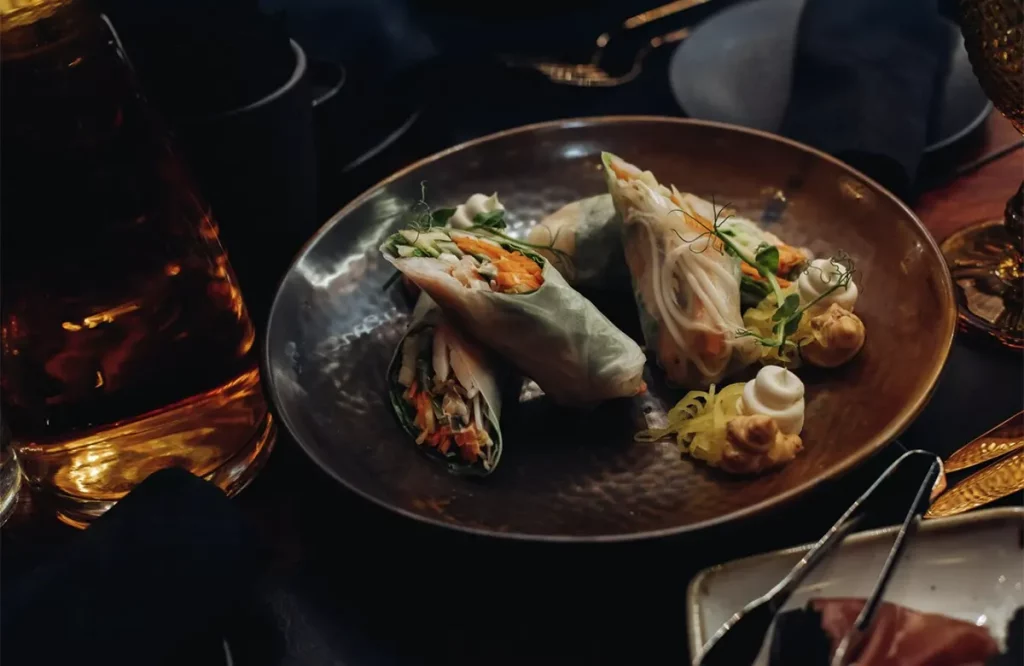
4. Culinary Science in Fusion
4.1 Flavor Pairing and Molecular Gastronomy
Modern fusion cuisine increasingly leverages culinary science to ensure harmonious combinations. Flavor pairing algorithms, molecular gastronomy, and chemical analysis allow chefs to:
- Identify complementary compounds in ingredients from different regions.
- Create novel textures and flavor releases using techniques like spherification or sous-vide.
- Balance acidity, bitterness, and sweetness scientifically for optimal sensory impact.
For example, chefs may analyze the chemical compounds in miso and Parmesan cheese to determine the optimal pairing ratio, resulting in a fusion dish that enhances umami without overpowering the palate.
4.2 Nutrition and Functional Integration
Fusion cuisine can also prioritize nutritional balance, combining ingredients from multiple regions to optimize health outcomes:
- Incorporating legumes and grains from one culture with protein sources from another.
- Adding antioxidant-rich herbs and spices to enhance micronutrient content.
- Designing dishes that support specific dietary needs while remaining flavorful and visually appealing.
This integration of nutrition science reinforces that fusion cuisine is not only about taste and aesthetics but also about well-being and functional eating.
5. Design and Presentation in Fusion Cuisine
5.1 Visual Storytelling
Presentation plays a critical role in fusion cuisine, as dishes often carry multiple cultural narratives. Effective plating communicates these narratives through:
- Color Schemes: Combining the vibrant colors of Latin-American dishes with minimalist Japanese aesthetics.
- Structural Composition: Layering ingredients to highlight the interaction between different cultural elements.
- Symbolism: Using plating elements to evoke cultural references, such as geometric patterns reminiscent of traditional textiles.
5.2 Multisensory Engagement
Fusion cuisine engages multiple senses beyond taste:
- Aromatics: Blending herbs and spices from different regions to create complex olfactory experiences.
- Texture Variation: Incorporating contrasting elements, such as crisp tempura with creamy European sauces.
- Interactive Components: Dishes that evolve at the table, such as deconstructed meals requiring diners to assemble flavors, fostering engagement and cultural curiosity.
This approach positions fusion cuisine as a holistic, immersive experience, appealing to both intellect and appetite.
6. Challenges in Fusion Cuisine
6.1 Risk of Cultural Misappropriation
While fusion celebrates diversity, chefs must navigate potential pitfalls:
- Using ingredients without understanding their cultural significance.
- Simplifying traditional dishes to the point of misrepresentation.
- Commercializing cultural elements without acknowledgment or authenticity.
Addressing these risks requires research, respect, and dialogue with the source cultures to ensure ethical and authentic integration.
6.2 Balancing Innovation with Palatability
Not all combinations succeed. Chefs face challenges in balancing novelty with taste:
- Overly experimental pairings may alienate diners.
- Ingredient incompatibility can lead to unbalanced textures or clashing flavors.
- Excessive fusion risks diluting the identity of each contributing cuisine.
Successful fusion chefs often adopt a phased experimentation approach, introducing new elements gradually while maintaining a strong foundation of flavor principles.
7. The Role of Technology in Fusion Cuisine
7.1 AI and Flavor Prediction
Artificial intelligence has become a powerful tool for fusion chefs, enabling:
- Predictive analysis of flavor compatibility across cuisines.
- Simulation of ingredient interactions to optimize taste, texture, and nutritional value.
- Data-driven menu personalization for diverse consumer preferences.
7.2 Digital Sourcing and Traceability
Modern fusion cuisine often relies on global ingredient sourcing, necessitating:
- Traceability systems ensuring sustainable and authentic ingredients.
- Digital platforms connecting chefs to specialty producers worldwide.
- Quality assurance through blockchain or supply chain monitoring, ensuring that culturally significant ingredients maintain integrity.
By integrating technology, fusion cuisine achieves precision, sustainability, and ethical sourcing, enhancing both culinary quality and consumer trust.
8. Case Studies: Leading Fusion Restaurants
8.1 Nobu (Global)
Nobu’s Japanese-Peruvian fusion illustrates:
- Expertly blending techniques and flavors from Japan with Peruvian ingredients.
- Creating globally recognized signature dishes, such as black cod miso with Peruvian chili accents.
- Combining aesthetics, nutrition, and cultural narrative for a sophisticated dining experience.
8.2 Momofuku (New York)
David Chang’s Momofuku represents:
- Innovative interpretation of Asian and American flavors.
- Incorporation of fermentation, smoked meats, and seasonal produce in cross-cultural contexts.
- Emphasis on research-driven flavor experimentation without compromising accessibility.
8.3 El Celler de Can Roca (Spain)
The Roca brothers experiment with:
- Molecular gastronomy techniques in the context of Mediterranean flavors.
- Cultural references embedded in plating, aroma, and texture.
- Sustainability and traceability integrated with cutting-edge culinary design.
These case studies demonstrate how fusion cuisine merges artistry, science, and cultural storytelling on a global stage.
9. Consumer Trends and Market Implications
9.1 Rising Demand for Cross-Cultural Experiences
Modern diners seek:
- Culinary adventure that reflects global exposure and cultural literacy.
- Nutritionally conscious meals that are both innovative and healthful.
- Ethical dining options with transparent sourcing and cultural respect.
9.2 Economic Impact
Fusion cuisine drives:
- Premium pricing models for innovative, culturally diverse dishes.
- Expansion of global culinary tourism, with diners seeking authentic cross-cultural experiences.
- Collaboration between chefs, technologists, and producers to sustain ingredient quality and innovation.
These trends reinforce that fusion cuisine is not merely gastronomic entertainment—it is a strategic driver of cultural, economic, and technological integration.
10. The Future of Fusion Cuisine
10.1 Hyper-Regional Fusion
Future fusion trends will focus on hyper-regional integration, combining micro-local flavors from multiple regions to create nuanced, culturally layered dishes.
10.2 Sustainability-Driven Innovation
Chefs will increasingly prioritize sustainable fusion, integrating:
- Plant-forward or regenerative ingredients.
- Zero-waste practices and local-global hybrid sourcing.
- Eco-conscious packaging and presentation.
10.3 Digital Culinary Experiences
AR/VR technologies may allow diners to virtually explore the origins of ingredients, offering multisensory immersion and cultural education alongside flavor experiences.
The future of fusion cuisine thus lies at the intersection of innovation, sustainability, and immersive storytelling, reflecting a globalized yet conscientious culinary ethos.
Conclusion
Fusion cuisine is more than a creative endeavor; it is a cultural, scientific, and ethical practice. By blending flavors, techniques, and narratives from diverse culinary traditions, chefs create dishes that are innovative, nutritionally mindful, visually compelling, and culturally respectful. The rise of technology, global ingredient sourcing, and consumer demand for ethical and immersive experiences has positioned fusion cuisine at the forefront of modern gastronomy.
As the culinary world continues to globalize, fusion cuisine will remain a symbol of cultural integration, creativity, and thoughtful innovation, shaping the way we eat, perceive food, and celebrate diversity at the table.