










In recent years, the global food industry has witnessed a profound evolution, shaped by the rising awareness of health, environmental responsibility, and culinary experience. Consumers are no longer satisfied with food that is merely palatable or convenient; instead, there is an increasing demand for meals that simultaneously provide nutritional value, exceptional flavor, and sustainable production practices. This approach reflects a holistic understanding of food as both a source of well-being and a driver of ecological and social responsibility.
This article explores the intersection of nutrition, flavor, and sustainability in contemporary gastronomy. It delves into trends, scientific approaches, industry adaptations, technological tools, and global examples that illustrate how chefs, food producers, and brands integrate these principles to meet the evolving expectations of consumers.
1. The Convergence of Nutrition, Flavor, and Sustainability
1.1 Shifting Consumer Expectations
Modern consumers increasingly demand meals that support personal health while minimizing environmental impact. Three factors converge:
- Nutrition: Growing awareness of diet-related health issues motivates consumers to seek balanced meals, functional foods, and nutrient-dense ingredients.
- Flavor: Culinary satisfaction remains crucial; consumers want vivid, layered, and culturally rich tastes that engage the senses.
- Sustainability: Ethical and ecological considerations influence choices, emphasizing local sourcing, reduced food waste, and environmentally conscious production.
This convergence represents a paradigm shift in food consumption, transforming meals into multifunctional experiences that nourish, delight, and contribute positively to the planet.
2. Nutritional Priorities in Modern Food Design
2.1 Macronutrient Balance
- Proteins: Inclusion of plant-based, lean animal, and alternative proteins like insects or lab-grown meats provides essential amino acids while reducing ecological impact.
- Carbohydrates: Emphasis on complex, high-fiber carbohydrates such as whole grains, legumes, and root vegetables supports digestive health and sustained energy.
- Fats: Favoring healthy fats like those from nuts, seeds, olive oil, and omega-3-rich sources enhances flavor and supports cardiovascular health.
2.2 Micronutrients and Functional Components
- Vitamins, minerals, antioxidants, and bioactive compounds contribute to disease prevention, cognitive function, and overall vitality.
- Functional foods incorporating probiotics, adaptogens, and superfoods align with wellness-driven consumer preferences.
2.3 Personalized Nutrition
- Emerging technologies allow chefs and brands to tailor menus to dietary needs, allergies, and lifestyle choices.
- Data from apps, wearables, and AI-assisted platforms enables custom meal planning, integrating nutritional optimization with culinary experience.
3. Flavor as a Core Driver
3.1 Multisensory Engagement
- Taste, aroma, texture, and visual presentation work together to create memorable dining experiences.
- Chefs employ layered flavors, fermentation, and molecular gastronomy techniques to enhance both enjoyment and nutritional absorption.
3.2 Cultural and Regional Influence
- Incorporating traditional culinary practices and regional ingredients ensures authenticity and diversifies flavor profiles.
- Fusion cuisine blends cultural elements while maintaining health-conscious ingredient choices.
3.3 Flavor Innovation in Sustainable Food
- Alternative proteins and plant-based ingredients are often perceived as less flavorful, driving chefs to innovate with spices, marinades, and textural modifications.
- Techniques like smoking, roasting, and fermenting enhance depth and umami in plant-forward and sustainable dishes.
4. Sustainability as a Core Principle
4.1 Ecological Impact of Food Production
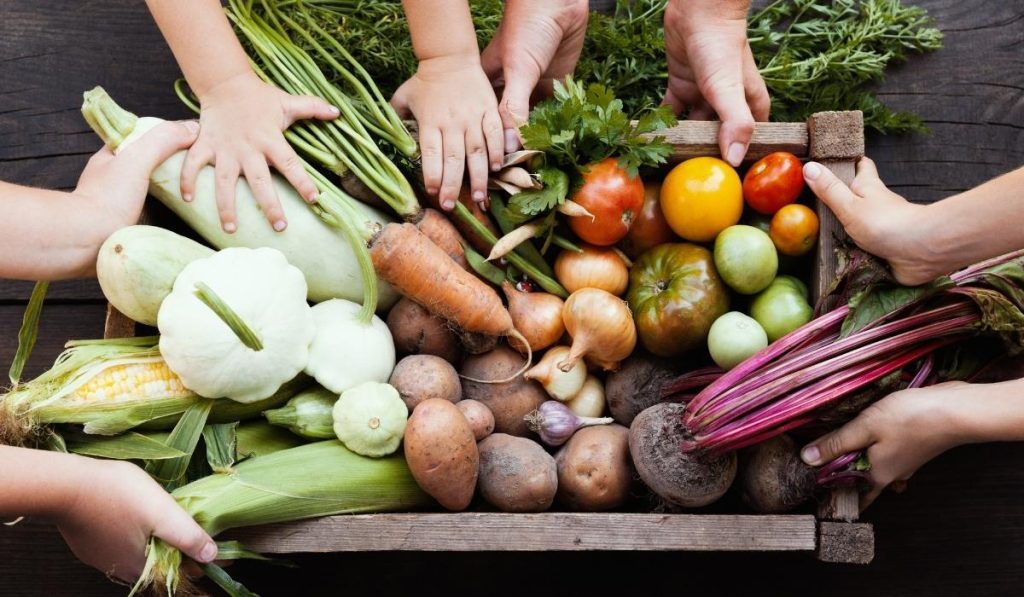
- Food production accounts for significant greenhouse gas emissions, water use, and biodiversity loss.
- Sustainable culinary practices aim to minimize carbon footprint, prioritize renewable resources, and reduce food waste.
4.2 Ethical Sourcing
- Supporting local farmers, regenerative agriculture, and fair trade strengthens communities while ensuring environmental stewardship.
- Traceability systems help consumers verify that ingredients are responsibly sourced.
4.3 Reducing Waste
- Innovative approaches include portion optimization, composting, surplus redistribution, and packaging reduction.
- Restaurants, meal-kit services, and manufacturers are increasingly integrating circular economy principles into food operations.
5. Integration of Nutrition, Flavor, and Sustainability
5.1 Plant-Forward Culinary Practices
- Plant-forward menus prioritize vegetables, legumes, grains, and plant proteins while maintaining rich flavor through creative seasoning and preparation.
- Benefits include lower environmental impact, improved public health outcomes, and culinary diversity.
5.2 Functional and Fortified Foods
- Chefs and food scientists collaborate to enhance natural flavors while boosting nutritional density.
- Examples include fortified beverages, protein-enriched baked goods, and nutrient-dense snacks.
5.3 Holistic Menu Design
- Balanced menu construction considers macronutrient content, flavor profiles, seasonality, and sustainability metrics.
- Technology supports recipe optimization to maintain both taste and nutritional value while minimizing ecological impact.
6. Technological and Scientific Tools
6.1 AI and Data-Driven Nutrition
- AI platforms analyze consumer preferences, dietary patterns, and flavor trends to guide recipe development.
- Personalized nutrition apps allow real-time adjustments for macro- and micronutrient intake while maintaining taste satisfaction.
6.2 Molecular Gastronomy and Flavor Enhancement
- Scientific techniques such as emulsification, sous-vide, and fermentation improve taste while preserving or enhancing nutrient content.
- Alternative proteins are optimized for texture, umami, and aroma, bridging the gap between sustainability and flavor.
6.3 Supply Chain Transparency
- Blockchain and digital tracking enable full traceability, assuring consumers of ingredient authenticity, sustainability, and ethical sourcing.
- Transparency strengthens consumer trust while reinforcing the alignment of flavor, nutrition, and environmental ethics.
7. Market Trends and Consumer Behavior
7.1 Rise of Conscious Consumers
- Younger generations, especially Gen Z and Alpha, demand health, sustainability, and innovation in their food choices.
- Social media amplifies trend adoption, encouraging brands to prioritize responsibility without sacrificing flavor.
7.2 Premium Ready-to-Eat and Meal Kits
- High-quality, convenient solutions combine nutrition, taste, and sustainable packaging.
- Meal kits allow home cooking with minimal waste, encouraging culinary education and flavor exploration.
7.3 Experiential and Educational Dining
- Cooking classes, interactive tastings, and food festivals educate consumers about nutritional benefits and sustainable sourcing.
- Experiential dining fosters appreciation for culinary craftsmanship, seasonal ingredients, and ethical production.
8. Global Examples
8.1 Sustainable Fine Dining
- Restaurants like Noma (Denmark), Blue Hill at Stone Barns (USA), and Gaggan (Thailand) integrate local sourcing, seasonal ingredients, and nutrition-conscious menu design.
- Culinary innovation prioritizes environmental impact reduction without compromising taste.
8.2 Functional Beverage Trends
- Beverages enriched with probiotics, adaptogens, or plant-based proteins combine health benefits with flavor innovation.
- Brands balance taste profiles, nutritional density, and eco-friendly packaging.
8.3 Retail and Ready-to-Eat Products
- Grocery chains and e-commerce platforms highlight organic, nutrient-dense, and sustainable options.
- Subscription services promote educational content and sustainable consumption practices.
9. Challenges in Harmonizing Nutrition, Flavor, and Sustainability
9.1 Perception and Palatability
- Consumers may associate sustainability with reduced taste or perceive healthy alternatives as less indulgent.
- Chefs must balance sensory appeal with nutritional and environmental objectives.
9.2 Cost and Accessibility
- Nutrient-dense and sustainable foods often come at higher price points, presenting barriers for mass adoption.
- Innovations must scale without compromising quality or affordability.
9.3 Supply Chain Complexity
- Ethical sourcing, local ingredients, and seasonal menus require robust logistics and partnerships.
- Climate change and agricultural variability further complicate consistent availability.
10. Future Outlook
10.1 Integration of AI and Personalized Culinary Experiences
- AI will allow chefs and food brands to create tailored meals that maximize nutrition, flavor, and sustainability.
- Predictive models will anticipate consumer preferences and environmental trends, enabling proactive menu innovation.
10.2 Circular Economy in Food Production
- From zero-waste kitchens to regenerative agriculture, circular principles will become integral to high-standard culinary practice.
- Consumers will increasingly reward brands that demonstrate responsible and innovative food systems.
10.3 Cross-Disciplinary Collaboration
- Chefs, nutritionists, food scientists, and sustainability experts will collaborate to redefine modern gastronomy.
- Culinary education will emphasize holistic design principles encompassing taste, health, and environmental stewardship.
11. Conclusion
Emphasizing nutrition, flavor, and sustainability simultaneously is no longer optional—it is essential in modern food culture. Consumers demand meals that are delicious, healthful, and environmentally responsible, and the food industry is responding with innovative, science-driven, and culturally aware approaches.
The integration of plant-forward practices, functional ingredients, technological innovation, and experiential engagement creates a framework for holistic culinary experiences. By prioritizing taste, nutrient density, and ecological responsibility, the global food industry can satisfy evolving consumer expectations while contributing positively to public health and planetary well-being.
As sustainability and wellness become core drivers of culinary design, the future of gastronomy will be defined by flavorful, nutrient-rich, and environmentally conscious choices—reflecting a harmonious balance between pleasure, health, and responsibility.