









Introduction
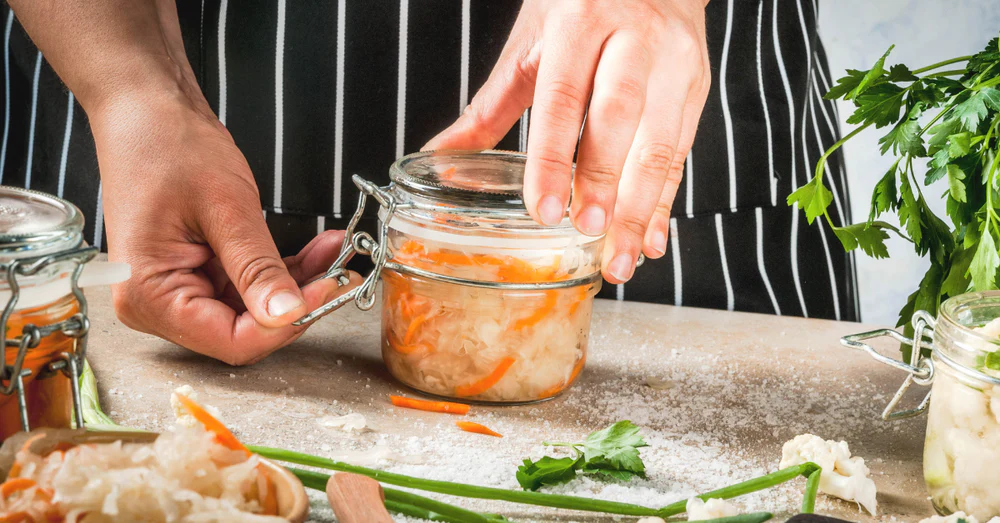
Fermentation has traditionally been regarded as a method of preserving food, extending shelf life while maintaining nutritional value. From ancient practices of making bread, cheese, wine, and pickles to modern applications in beer and yogurt production, fermentation has long been associated with functionality rather than artistry. However, contemporary chefs, culinary innovators, and food scientists have reimagined fermentation as a creative tool—an avenue for experimentation with flavor, texture, aroma, and presentation. Rather than simply preserving ingredients, fermentation is now leveraged to transform raw materials into novel gastronomic experiences, challenging conventional perceptions of taste and culinary boundaries.
This article explores the evolution of fermentation as a creative instrument, delves into the science behind transformative microbial processes, examines pioneering culinary applications, and anticipates future trends that position fermentation at the forefront of innovative cuisine.
1. Historical Context: From Preservation to Creativity
1.1 Traditional Uses of Fermentation
Historically, fermentation was primarily functional: a means to prolong food usability and ensure sustenance in times of scarcity. Ancient civilizations relied on spontaneous microbial processes to create bread, beer, wine, soy sauce, miso, kimchi, sauerkraut, and pickled vegetables. The focus was on practical outcomes: preservation, nutritional enhancement, and safety.
1.2 Shift Toward Flavor and Complexity
Over centuries, chefs and home cooks observed that fermented foods developed distinctive flavors, textures, and aromas. As culinary cultures evolved, appreciation for these sensory dimensions grew. The natural tanginess of yogurt, umami depth of miso, and effervescence of kombucha exemplified how fermentation could enrich dishes beyond preservation.
1.3 The Creative Reimagining of Fermentation
In the late 20th and early 21st centuries, high-end culinary movements, molecular gastronomy, and experimental kitchens began treating fermentation as a laboratory of taste. Chefs no longer viewed it as a passive process but as an active instrument for manipulating flavor profiles, textures, and aromas—essentially, as an artistic medium in the kitchen.
2. Scientific Foundations of Fermentation in Creative Cuisine
2.1 Microbial Mechanisms
Fermentation involves microorganisms—primarily bacteria, yeast, and molds—metabolizing sugars, starches, and other compounds in food. These processes generate organic acids, alcohols, gases, and flavor compounds. Understanding microbial behavior enables chefs to tailor fermentation outcomes for creative purposes.
Key Microorganisms:
- Lactic Acid Bacteria (LAB): Produce lactic acid, creating tangy flavors and creamy textures (e.g., yogurt, kimchi).
- Yeasts: Convert sugars into alcohol and CO₂, influencing aromas, carbonation, and dough leavening.
- Molds: Used in cheese ripening and fermented soy products to develop complex umami profiles.
2.2 Flavor Chemistry
Fermentation generates secondary metabolites that enhance taste complexity. Organic acids, esters, aldehydes, and peptides interact to produce multidimensional flavor profiles. By controlling fermentation parameters—temperature, humidity, oxygen exposure, and microbial strains—chefs manipulate flavor development with precision.
2.3 Texture Transformation
Beyond flavor, fermentation alters texture. Yogurt becomes creamy, kimchi retains crunch while softening, and sourdough achieves elasticity and airy structure. These textural shifts enable innovative plating, mouthfeel contrasts, and multi-sensory dining experiences.
3. Fermentation as a Tool for Culinary Innovation
3.1 Flavor Layering and Umami Enhancement
Modern chefs utilize fermentation to intensify umami and build layered flavors. For instance:
- Fermented sauces: Soy sauce, fish sauce, and miso are adapted to enhance marinades, dressings, and glazes.
- Fermented vegetables: Kimchi, sauerkraut, and pickled roots add acidity, complexity, and depth to contemporary dishes.
- Cheese and cultured dairy: Beyond traditional cheese boards, fermented cheeses are incorporated into innovative sauces, soups, and desserts.
3.2 Alcoholic Fermentation for Creative Pairings
Fermentation is harnessed to produce novel alcoholic beverages that complement dishes or serve as culinary ingredients:
- Experimental beers and wines: Utilizing unconventional ingredients or microbial strains for unique flavor notes.
- Fermented cocktails: Incorporating kombucha, kefir, or shrub syrups to create balanced, layered drinks.
- Cooking with spirits: Alcoholic fermentation transforms flavor profiles of sauces, reductions, and marinades.
3.3 Fermentation in Pastry and Baking
Bakers leverage fermentation for both leavening and taste innovation:
- Sourdough and wild yeast bread: Manipulating fermentation duration and hydration levels to create varied textures and tangy flavors.
- Fermented doughs for desserts: Incorporating fermented fruits, yogurts, or nut pastes to enhance moisture, aroma, and acidity.
- Flavor infusions: Fermenting chocolate, fruits, or nuts before baking adds depth and novelty to pastries.
3.4 Fermentation for Plant-Based Innovation
Plant-based cuisine benefits from fermentation as a natural enhancer:
- Fermented legumes: Tempeh and miso serve as protein-rich, umami-packed components.
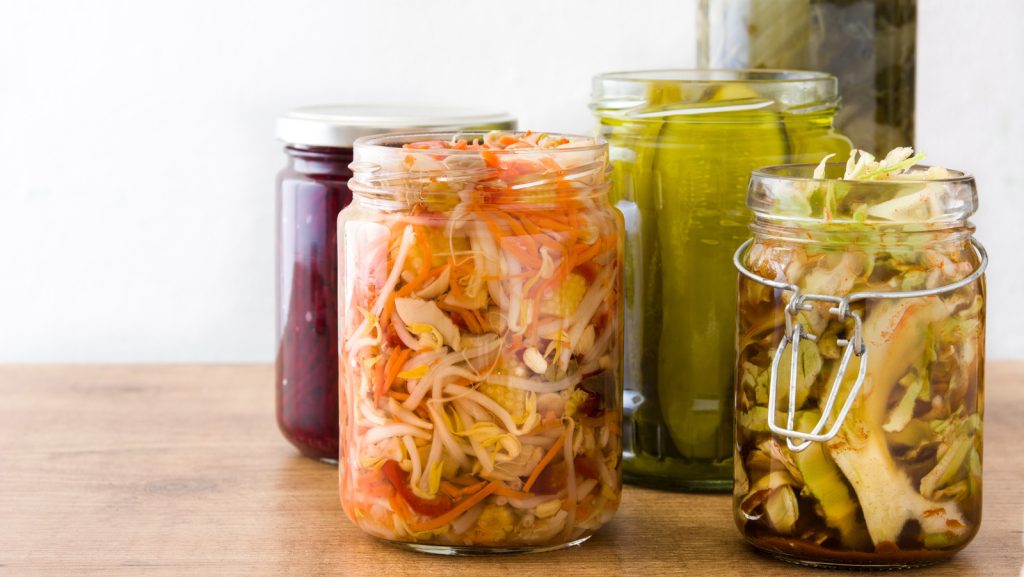
- Vegetable ferments: Transform bland vegetables into tangy, savory, and textured culinary elements.
- Dairy alternatives: Fermenting plant milks (oat, almond, soy) creates creamy, yogurt-like textures and tangy flavors.
4. Techniques and Approaches in Creative Fermentation
4.1 Controlled Fermentation
Modern kitchens employ controlled fermentation: precise regulation of temperature, humidity, pH, and oxygen exposure. This scientific approach allows predictable, repeatable flavor outcomes.
4.2 Mixed Cultures and Hybrid Ferments
Chefs experiment with combining multiple microbial strains to create novel flavor combinations. Examples include:
- Combining lactic acid bacteria with yeasts for complex sourdough breads.
- Co-fermenting fruits and grains for innovative beverages.
4.3 Time Manipulation
Fermentation duration profoundly impacts flavor intensity and aroma. Short, rapid ferments yield fresh, tangy notes; long, slow ferments generate deep, umami-rich complexity. Creative chefs use staged fermentations to achieve multi-layered flavors.
4.4 Fermentation as Ingredient Extraction
Fermentation is used to extract flavors and enhance ingredients for sauces, oils, or seasonings:
- Kimchi brines as cocktail bases
- Fermented fruit reductions for desserts
- Fermented miso pastes in compound butter or glazes
5. Culinary Case Studies
5.1 Noma (Copenhagen, Denmark)
Renowned for avant-garde Nordic cuisine, Noma leverages fermentation extensively:
- Foraged vegetables and seafood are fermented to accentuate natural flavors.
- Chefs use lactic acid fermentation, koji cultures, and wild yeast to create distinctive, evolving dishes.
5.2 Momofuku (New York, USA)
Momofuku’s innovative approach integrates fermentation into sauces, condiments, and breads, transforming traditional recipes into layered flavor experiences.
5.3 Experimental Fermentation Labs
Restaurants and culinary labs worldwide now run in-house fermentation facilities, cultivating custom microbial strains to craft unique dishes, beverages, and condiments tailored to seasonal ingredients.
6. Sensory and Experiential Dimensions
6.1 Aroma and Taste Interplay
Fermentation enhances multi-sensory dining experiences by adding aromatic complexity. Umami-rich ferments balance acidity, bitterness, and sweetness, creating dynamic flavor interplay.
6.2 Texture and Mouthfeel
Chefs exploit fermentation’s ability to modify texture: creamy yogurts, effervescent beverages, or crispy pickled vegetables all contribute to sensory diversity on the plate.
6.3 Visual and Artistic Presentation
Color, effervescence, and ingredient transformation during fermentation create visually captivating dishes. Fermented foods are often plated to highlight gradients of color, bubbles, or marbled textures.
7. Educational and Professional Implications
7.1 Culinary Education
Modern culinary curricula increasingly integrate fermentation techniques as part of creative training, emphasizing flavor development, microbial understanding, and experimental applications.
7.2 Professional Kitchens
Restaurants adopting fermentation as a creative tool differentiate themselves by offering distinctive flavor profiles, multi-layered textures, and signature dishes that reflect innovation rather than tradition.
7.3 Home and Experimental Cooking
Fermentation-based creativity is no longer confined to professional kitchens. Home cooks and hobbyists explore fermentation for unique sauces, breads, beverages, and desserts, encouraged by accessible equipment and educational resources.
8. Challenges in Creative Fermentation
8.1 Safety and Hygiene
Fermentation relies on live microorganisms; improper handling can lead to spoilage or foodborne illnesses. Rigorous hygiene and controlled environments are essential.
8.2 Ingredient Variability
Raw material variability affects microbial behavior, flavor development, and texture outcomes. Consistency requires careful selection and preparation of ingredients.
8.3 Consumer Perception
Some diners are unfamiliar with sour, funky, or fermented flavors. Educating consumers and presenting dishes creatively is crucial to acceptance and appreciation.
9. Future Trends
9.1 Technological Integration
- Smart fermentation chambers with temperature, humidity, and pH controls.
- AI-guided flavor predictions and microbial selection.
9.2 Sustainability and Plant-Based Focus
- Fermentation as a tool to enhance plant-based ingredients, reducing reliance on animal products.
- Utilization of food waste through fermentation to create new culinary ingredients.
9.3 Global Culinary Fusion
- Combining fermentation traditions from different cultures to create hybrid flavors.
- For instance, integrating Korean kimchi techniques with European cheeses or African grains.
9.4 Fermentation as Art
- Chefs are increasingly exploring fermentation as an artistic medium, manipulating color, aroma, texture, and presentation for multi-sensory experiences.
Conclusion
Fermentation has transcended its historical role as a preservation technique to become a dynamic, creative tool in modern gastronomy. By harnessing microbial processes, chefs and culinary innovators craft complex flavors, textures, and aromas that elevate dining experiences. From enhancing umami and acidity to transforming plant-based ingredients and experimenting with alcoholic or fermented beverages, fermentation offers endless opportunities for culinary experimentation.
Its application in creative kitchens demonstrates how science and artistry converge: fermentation is both a laboratory and a canvas. By understanding microbial interactions, flavor chemistry, and textural transformations, chefs unlock new dimensions of taste and presentation, challenging traditional culinary boundaries.
As technology, sustainability concerns, and global culinary cross-pollination continue to influence food culture, fermentation will remain central to the innovation of modern cuisine. Far from a mere preservation method, it has emerged as a versatile, expressive, and transformative tool—one that celebrates flavor, experimentation, and artistry in every dish.